
Google reviews feel like a popularity contest until you run a local business. Then they start to feel like oxygen. You can have the cleanest shop, the fastest turnaround, the friendliest staff, and it can still look like you do not exist if your review profile sits empty.
What gets me is how uneven it is. Two businesses can offer the same service on the same street. The one with a steady stream of recent, specific reviews tends to win the click, the call, and the benefit of the doubt. That is not fair, but it is how people behave when they feel rushed and uncertain. Reviews reduce that uncertainty in a way your own marketing never can.
This guide is built for real life. You will get a clear picture of why Google Reviews matter, 10 ways to earn more without begging, scripts that sound human, and the mistakes that quietly kill your review flow.
Why Google reviews matter
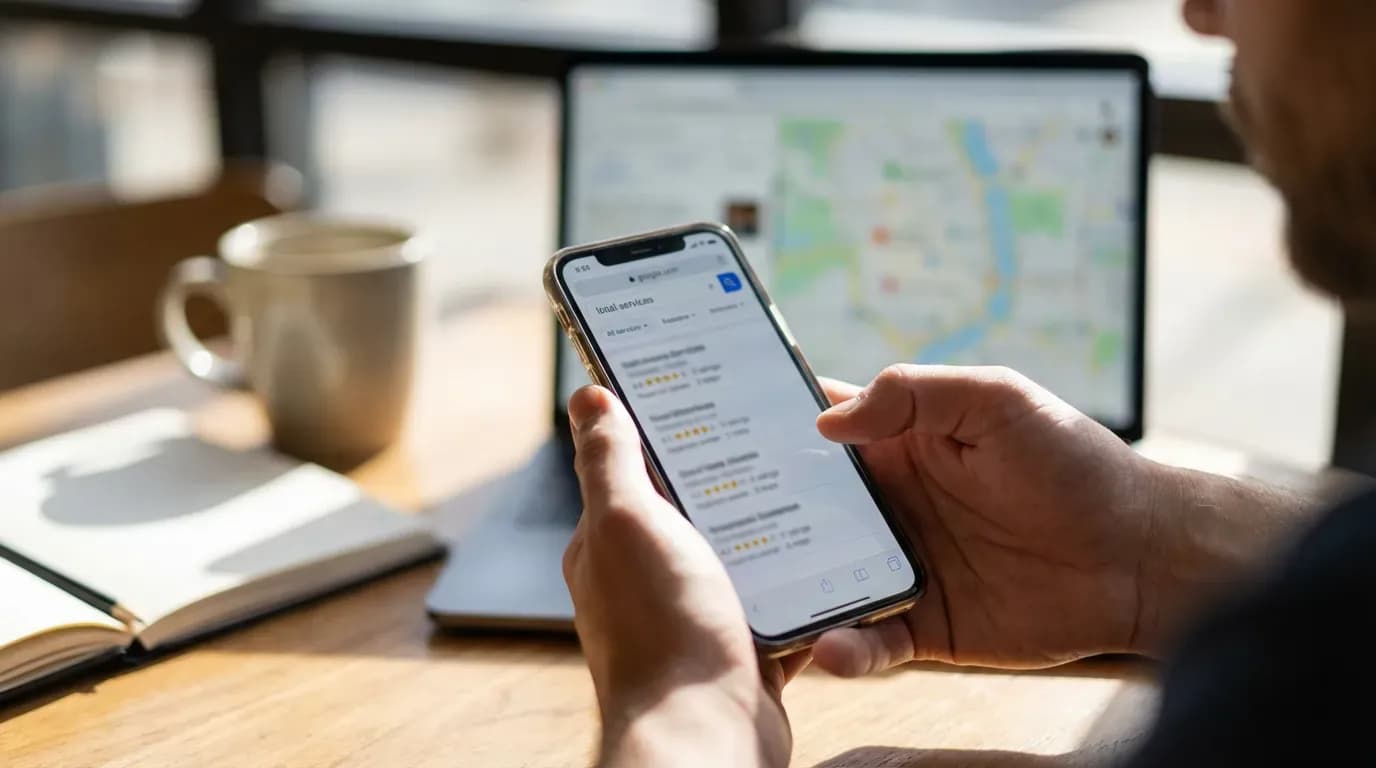
Google reviews do two jobs at once. They persuade people and they feed Google signals about trust and relevance. When someone searches for a service near them, Google has to guess which businesses deserve attention. Your reviews, your ratings, and the words people use in those reviews help Google make that call.
On the persuasion side, reviews act like a shortcut for the brain. People do not read your entire website. They skim. They look for proof that someone like them got what they wanted. A review that says, “They fixed my water heater the same day and explained the options without pressure,” can beat a full page of polished copy.
There is a second layer that feels uncomfortable. Reviews shape expectations before a customer meets you. If your reviews set a clear pattern, like fast response times or careful cleanup, customers show up calmer. They complain less. They trust your team sooner. That changes the whole relationship.
If you want a structured way to collect reviews without chasing people manually, a reputation platform can help. RatingFlow focuses on automating review requests while filtering private feedback so you can handle issues before they turn into public damage. You can see how it works on the RatingFlow workflow overview.
10 ways to get more reviews

You do not need a clever trick. You need a repeatable system that fits your business and your customers. The goal is a steady rhythm, not a one-week spike that fades. Here are ten approaches that work because they respect timing, reduce friction, and feel normal to the customer.
1 Ask at the peak moment
The best time to ask is when the customer feels relief or satisfaction. For a dentist, it might be right after a painless appointment. For a contractor, it might be when the final walkthrough looks clean. If you wait a week, the feeling fades, life gets noisy, and your request becomes another task.
Train your team to notice the moment when a customer says something like “Thanks, that was quick,” or “I am glad that is done.” That is your cue. You are not interrupting. You are riding the natural gratitude that already exists.
2 Make it one tap
Friction kills reviews. If a customer has to search your business name, pick the right listing, sign in, then figure out what to write, they will bail. Give them a direct link or a QR code that opens the review screen fast.
If you use QR codes, treat them like tools, not decorations. Put them where the customer already pauses, like at the register or on the receipt. If you need help troubleshooting scanning issues, the QR code scanning troubleshooting guide covers the common pitfalls.
3 Use short, personal text messages
Text messages convert well because they feel personal and they arrive where people pay attention. Keep it brief. Use the customer’s name if you have it. Send it soon after the service while the details still feel fresh.
If you want to avoid awkwardness, position the request as a favor that helps your team. People like helping humans, not brands. A short message with a clear link and a polite tone beats a long marketing paragraph.
4 Send email for higher detail reviews
Email tends to produce longer reviews because people type faster on a keyboard and they have more space to think. It also works well for B2B services or higher ticket jobs where the customer expects a more formal follow-up.
The trade-off is speed. Email gets buried. If you use email, keep the subject line simple and send it within a day. You can also pair it with a text that says, “I sent you a quick email with the link in case that is easier.”
5 Put the ask on your receipt and invoices
Receipts and invoices are boring, which is why they work. Customers already expect to see them. Add a line like “Tell us how we did on Google” with a short link or QR code. If you do field work, print it on the work order the customer signs.
This method shines when your staff forgets to ask out loud. The paper becomes your backup system. Still, do not rely on it alone. Passive asks create a slow drip, not a steady stream.
6 Add review prompts at the right physical spots
Posters near the exit, a tabletop sign, a small sticker at the counter. These can work if they are placed where customers have a natural pause. Placement matters more than size. If you slap a QR code on the front door, people will not stop in the flow of foot traffic.
If you want to get serious about placement, the QR code placement best practices page lays out what tends to work in real environments.
7 Ask for feedback first, then route happy customers to Google
This is where a lot of businesses get mixed feelings, and I get it. You want honest feedback, but you also do not want a public one-star review because someone had a minor issue that you could have fixed in minutes.
A feedback-first flow lets customers tell you how it went. If they are happy, you send them to Google. If they are upset, you capture the issue privately so you can respond and make it right. RatingFlow is built around this idea, and you can see the details on the reputation management features page.
8 Train your team with one sentence they can say
Most people do not ask because they do not want to sound pushy. Give them one sentence and permission to use it. The sentence should be short and confident, and it should match your brand voice.
For example, “If you have a minute, would you share your experience on Google? It helps local customers find us.” That is it. No speeches. No guilt. No awkward hovering.
9 Respond to reviews so people see you show up
When customers see you reply to reviews, they assume you pay attention. That changes their willingness to leave one. It feels like they are talking to a real business, not yelling into a void.
Keep responses short. Thank them. Mention one detail from their review. Invite them back. For negative reviews, stay calm and move the conversation offline. If you need a framework, RatingFlow has guidance on how to respond to negative feedback.
10 Track your request to review conversion rate
If you do not measure, you will guess. Guessing leads to random changes and frustration. Track how many requests you send and how many reviews you get back. Then test one variable at a time, like timing, message wording, or channel.
If you use a platform with analytics, you can spot patterns like which location underperforms or which team member needs coaching. The point is not to obsess. The point is to stop flying blind.
How to ask customers
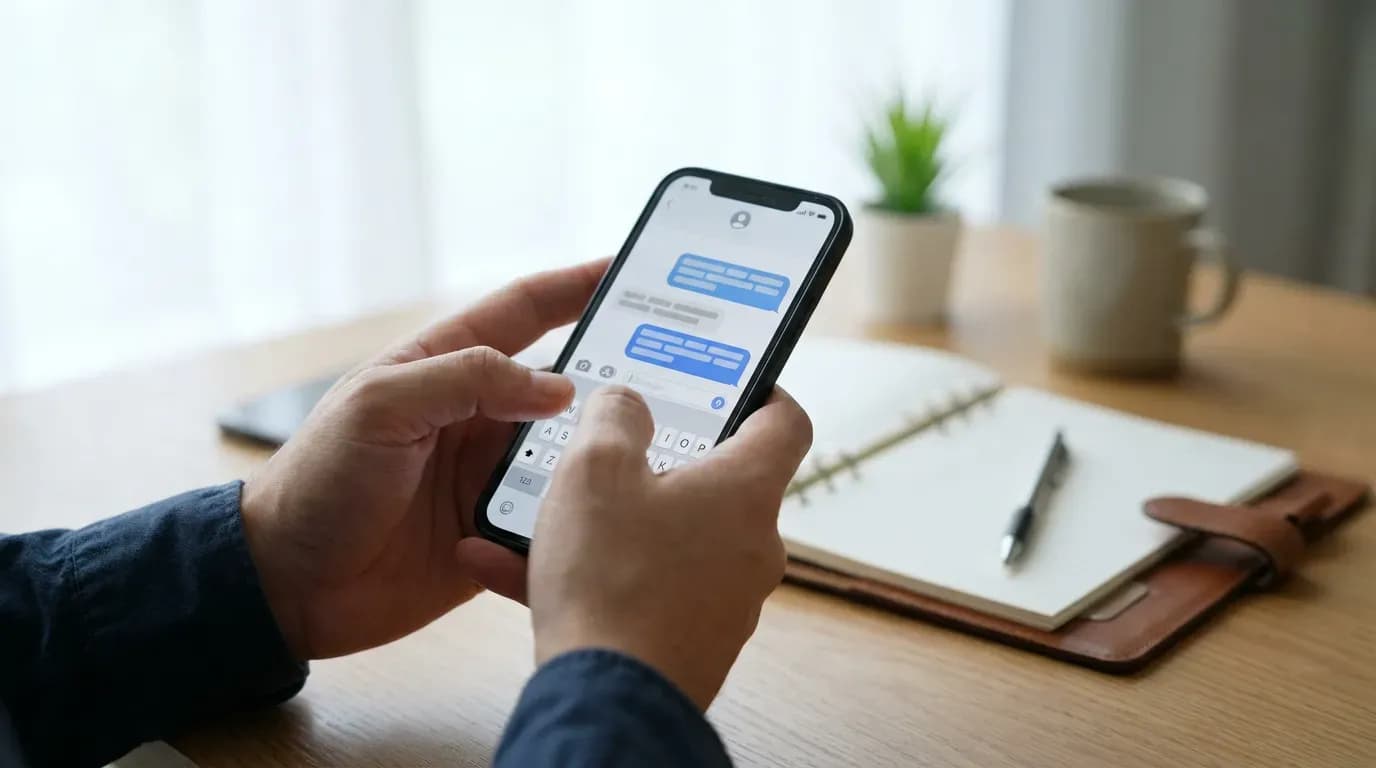
Asking for a review can feel like asking for a favor, because it is. You are asking someone to spend time and attach their name to an opinion. If you treat it with respect, it lands well. If you act weird about it, customers feel that too.
Here is the mindset shift I keep coming back to. You are not asking for praise. You are asking for an honest account of what happened. If you did your job well, you earned the right to ask. If you did not, the request will feel wrong, and that is useful information too.
Pick the right moment and person
Ask the decision-maker or the person who felt the benefit. In a household, that might be the person who booked you and paid. In a clinic, it might be the patient. In a B2B job, it might be the office manager who dealt with scheduling.
Time it close to the outcome. If you wait until the project is a distant memory, the customer will struggle to write anything specific. Specific reviews perform better because they sound real and they help future customers picture the experience.
Keep the request short and confident
Long explanations make it feel like you are nervous. Customers read that as pressure. Ask once, then stop talking. If they say yes, hand them the link. If they say no, thank them and move on.
Here are scripts you can copy and adjust. They sound human. They do not beg.
| Channel | Script |
| In person | “If you have a minute, could you leave us a Google review? It helps people nearby feel confident choosing us.” |
| Text message | “Hi [Name], thanks for coming in. Would you share a quick Google review about your visit? Here’s the link: [link]” |
| “Thanks again for choosing us. If you can spare a minute, a Google review helps local customers find us. Review link: [link]” | |
| After resolving an issue | “I’m glad we got that fixed. If you feel we handled it well, would you share that in a Google review? Here’s the link: [link]” |
Give them a cue for what to write
People freeze at a blank box. You can reduce that by giving a light prompt. Do not script the content. That crosses a line and it can sound fake. Instead, suggest topics.
Try something like, “If you mention what you came in for and how it went, that helps a lot.” For a restaurant, you can suggest the dish they ordered. For a home service, you can suggest the result, like “same-day repair” or “left the place clean.”
Make it safe to say no
This matters more than people admit. If a customer feels trapped, they will either avoid you or leave a resentful review. Neither helps. Let them decline without consequences. Your calm reaction protects the relationship and your brand.
If you want higher volume without leaning on staff memory, set up automated requests that go out after a completed job. RatingFlow is built for that flow, and you can compare plans on the pricing page for review automation.
Common mistakes to avoid

Most businesses do not fail at reviews because they do nothing. They fail because they do a few things that create friction, trigger distrust, or break Google rules. Some of these mistakes look harmless. They are not. They can slow your review pace for months.
Buying reviews or trading incentives for ratings
It is tempting. You want momentum, and someone offers a shortcut. Do not do it. Purchased reviews tend to read like cardboard, and customers can smell it. Platforms can remove them, and you risk a public mess that takes longer to clean up than earning reviews the normal way.
If you want to reward customers, do it for their business, not for a review. A loyalty program is fine. A discount in exchange for a five-star rating is a trap.
Asking only your happiest customers
This sounds smart until it backfires. If you gatekeep too hard, your profile can look suspicious. A healthy review profile includes a mix of tones, and it includes feedback that sounds like a real person wrote it in a real moment.
Instead of cherry-picking, build a consistent ask into your process. Then use private feedback to catch problems early and fix them before they harden into public anger.
Waiting too long to ask
Time is the silent killer. Customers forget names, details, and emotions. When you ask late, you get vague reviews like “Good service.” That is better than nothing, but it does not persuade like a specific story.
Set a trigger. After checkout. After delivery. After the job closes in your system. Make it automatic when you can.
Sending too many reminders
One follow-up can help. Three follow-ups can feel like you are stalking them. People will mute your number, unsubscribe, or leave a review out of annoyance. That is a brutal own-goal.
Keep it simple. One initial request. One reminder a few days later if they did not respond. Then stop.
Using a generic message that sounds like marketing
Customers can sense copy-paste language. Your request should sound like a person who remembers the interaction. Add a small detail when you can, like the service performed or the staff member’s name.
If you run multiple locations, avoid messages that do not mention which location they visited. Confusion creates drop-off. Drop-off kills volume.
Ignoring negative feedback until it becomes public
Some owners avoid negative feedback because it feels personal. I understand that. It stings. Still, ignoring it creates a slow leak in your reputation. One unhappy customer can become five unhappy customers if the issue repeats.
Set a process for handling complaints fast. Reply with respect. Offer a path to resolve it. Then fix the root cause. If you do that, negative feedback becomes a training tool instead of a public scar.
Breaking the flow with too many steps
If your customer has to open a page, choose between platforms, fill out a form, then hunt for Google, you will lose them. Every extra click is a chance to quit. Treat the review request like checkout. Short, direct, and clear.
If your current link or funnel loads slowly, fix it. A slow page makes your business look careless, even if your service is solid.
Not responding to reviews at all
Silence sends a message. It says you do not pay attention. It tells future customers that if something goes wrong, they are on their own. You do not need to respond to every review with a paragraph, but you should show up consistently.
Set aside a small block of time each week and reply to a batch. If you have multiple locations, assign ownership. When everyone owns it, nobody owns it.
Putting it into a simple weekly system
If you want more Google reviews, you need a system your team can follow when it is busy and when it is chaotic. I like a weekly rhythm because it keeps you honest without turning into a daily obsession.
Start with one channel. Text works for many local businesses. Set a trigger after service completion. Send one request, then one reminder. Add a QR code at the point of payment as backup. Then track your conversion rate so you can tell if the problem is volume, timing, or message tone.
If you want to reduce manual work, set up an automated flow that sends requests, captures private feedback, and reports results in one place. RatingFlow is built for that, and you can see the core steps on the RatingFlow how it works page. If you want help choosing a setup for your business type, the use cases page can give you a clearer picture.
More reviews will not fix a broken operation. They will amplify what you already do. That is what makes them powerful and a little scary. If you take service seriously and you ask with confidence, your review profile can start to reflect the business you know you run.