
Online reviews do more than help you collect feedback. They shape how people see your business before they know much about you. That part gets missed a lot. Teams talk about ads, content, and social media as brand channels, then treat customer reviews like an afterthought. I think that is a mistake. Reviews are one of the few places where your market describes your brand in public, in plain language, with stakes attached.
When a buyer searches your business name, compares you with competitors, or checks your Google Business Profile before making contact, reviews sit right in the middle of that decision. They influence brand awareness because they increase your visibility in search and map results. They influence brand trust because people read them as social proof from customers who already took the risk. They influence brand perception because star ratings, review volume, and your responses tell a story about what dealing with you feels like.
If you run marketing for a local business, agency, or service brand, you should treat online reputation as part of brand building, not cleanup work. Reviews affect the top of the funnel, the middle, and the moment somebody decides whether to call, book, or bounce. If you want a cleaner system for collecting and managing feedback, take a look at how RatingFlow works for review collection and feedback routing. The mechanics matter, but the brand impact matters more.
Why reviews shape brand awareness before people know your brand
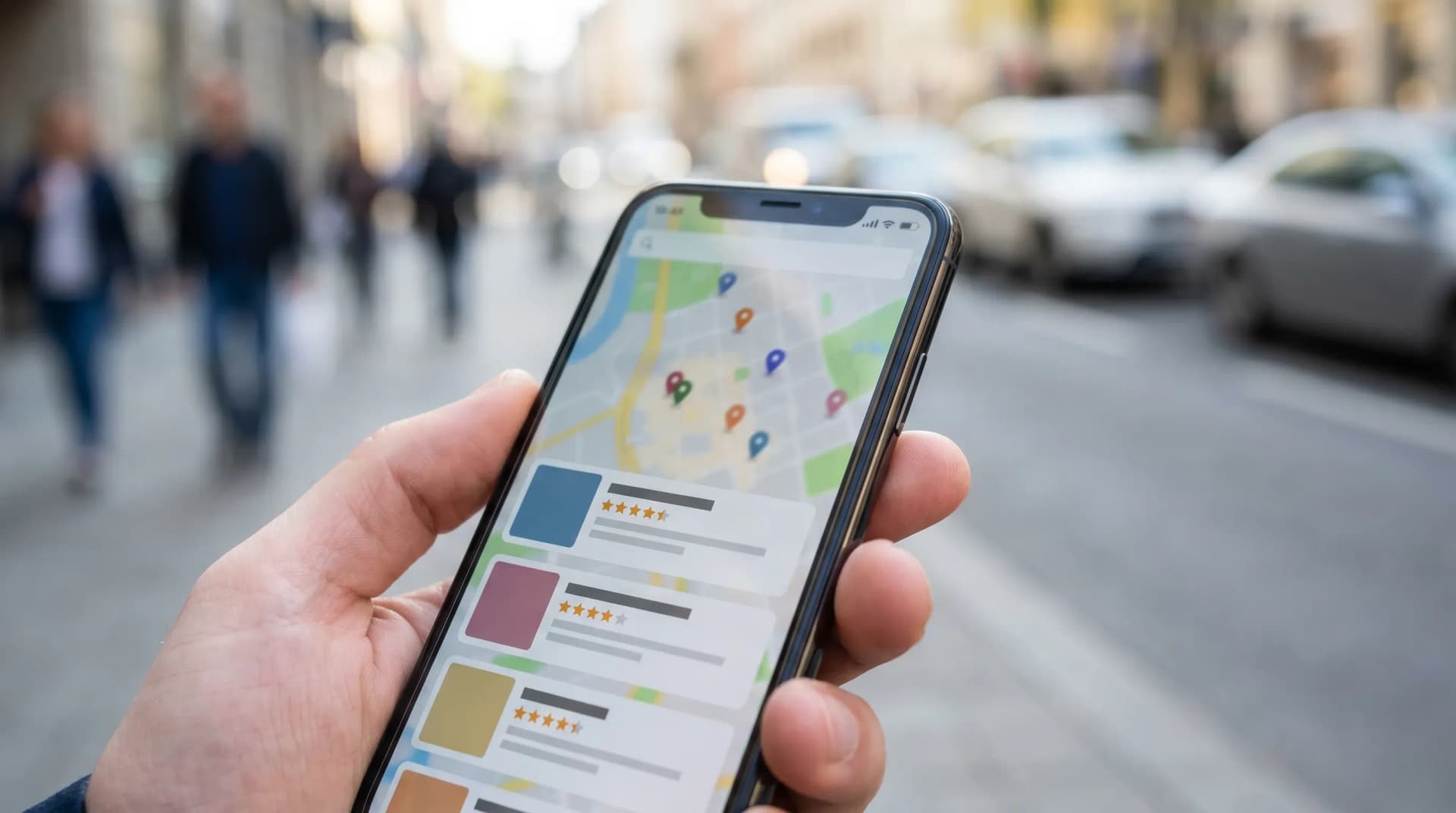
Brand awareness starts earlier than most teams admit. A person may not know your company name, but they may search for a service near them and see your listing, your star rating, and a cluster of customer reviews. That is a brand impression. It happens fast, and it sticks. In local search, people often meet your reputation before they meet your website.
Review volume plays a quiet but powerful role here. A business with a healthy stream of recent customer reviews looks active, visible, and chosen by the market. A business with a thin review profile can feel invisible, even if the service is strong. I do not love that this is how people judge brands, but they do. They use review count as a shortcut for relevance. If enough people took time to comment, the business feels established.
Star ratings matter too, though not in the simplistic way people think. Buyers do not only look for a perfect score. A rating in a believable range with steady volume and fresh comments often feels more trustworthy than a suspiciously flawless profile with little detail. That mix of quantity, recency, and authenticity shapes brand perception in seconds. It tells people whether your business feels alive, dependable, and worth a closer look.
This is why review generation should sit beside your awareness strategy. If you need a practical starting point, this guide on how to get more Google reviews gives you a direct path to building visible social proof without making the process awkward for customers.
How customer reviews create social proof that lowers buyer doubt
People trust businesses more when they see proof from people like them. That is the core of social proof, and reviews are one of its clearest forms. Your ads make claims. Your website makes promises. Customer reviews show whether those promises hold up in real situations. That difference matters. Buyers know your marketing is polished. They read reviews to find the rough edges.
What they look for is not perfection. They look for pattern recognition. Do customers mention quick communication, clean work, fair pricing, or a smooth handoff? Do they mention delays, confusion, or poor follow-up? A single review may not change much, but a pattern changes everything. Once people spot repeated themes, they start forming a picture of your brand. That picture becomes brand trust, or it becomes doubt.
Consumer reviews also reduce the emotional risk of buying. This matters more than many marketers want to admit. A service purchase can feel uncertain. Buyers wonder whether they will waste money, deal with rude staff, or regret the choice. Reviews calm that fear when they answer practical questions in a human voice. Was the team responsive. Did the result match the promise. Would the customer come back. Those details do brand work that polished copy cannot do on its own.
I keep coming back to this point. Reviews are persuasive because they feel unplanned. Even when buyers know some people only leave feedback after strong experiences, they still treat reviews as closer to the truth than brand messaging. That may feel unfair to your carefully written positioning, but it is how trust works in the wild.
What review volume star ratings and recency say about your brand
Review signals do not speak separately. Buyers read them together. Volume says how many people cared enough to respond. Star ratings suggest the direction of customer sentiment. Recency tells whether the business still performs at that level. When those signals line up, they create a clear impression. When they clash, people hesitate.
A strong review profile does not require a flawless score. In many categories, a slightly imperfect rating with steady recent reviews feels more believable and more human. A stale profile with glowing comments from long ago can create the opposite effect. It tells buyers that your reputation may belong to a version of the business that no longer exists. That gap hurts brand trust fast.
Recency matters because people want proof that your service level is current. A home services buyer, dental patient, or agency prospect wants to know what happened lately, not what happened ages ago. Fresh reviews reassure them that your team still delivers. That is why ongoing review collection beats one-time campaigns. Brand awareness grows through repeated exposure, and brand trust grows through repeated confirmation.
There is another layer here. Review volume can influence how dominant your brand feels in a local market. If your competitors have hundreds of consumer reviews and you have a handful, buyers may assume those brands are more established or more chosen. That assumption may be imperfect, but perception drives action. If you want to improve your review flow and response process, you can see the available review management features for local businesses and agencies and assess what fits your workflow.
Why your responses matter as much as the reviews themselves

Businesses spend so much energy chasing reviews that they forget the public reply is part of the brand signal. A response shows how you behave when someone praises you, criticizes you, or points out a problem in front of strangers. People read that closely. In some cases, they read your replies more carefully than the original review.
A thoughtful response to a positive review reinforces your brand voice. It shows gratitude, attentiveness, and professionalism. A defensive or canned response does the opposite. It can make a business feel cold or performative. Buyers notice when replies sound copied and pasted. They notice when a business thanks customers by name and refers to what happened. That little bit of effort tells them your team pays attention.
Negative reviews are where brand trust gets tested. I think this is the moment that reveals the business, not the polished website. If a customer leaves a complaint and you answer with blame, legal threats, or stiff corporate language, the damage spreads beyond that one reviewer. Future buyers picture themselves in the same situation. They wonder how you will treat them when something goes sideways.
A calm, direct response can soften the impact of criticism. It shows accountability and a willingness to fix issues. You do not need to win an argument in public. You need to show that your business is steady under pressure. If your team needs help finding the right tone, this guide on how to respond to Google reviews can help you build replies that protect brand perception instead of weakening it.
How reviews influence buying decisions across the customer funnel
At the awareness stage, reviews help people notice you. In search results, map packs, and directory listings, ratings and review count can make your brand feel visible before a prospect knows much else. That first glance shapes whether they click, compare, or move on. Awareness is not abstract here. It is a split-second judgment based on public proof.
In the consideration stage, buyers start reading. They compare brands, scan review themes, and look for signs that your business fits their needs. This is where detailed customer reviews carry weight. A buyer may care less about your slogan and more about whether past customers mention punctuality, communication, transparency, or problem solving. Reviews turn vague trust into practical trust.
At the decision stage, your online reputation can tip the balance. If two businesses look similar on price and service, the one with stronger social proof often wins. A better review profile can reduce hesitation and shorten the path to contact. That is why reviews affect conversion, not only perception. And after the sale, reviews continue to shape retention and referrals because customers who feel heard are more likely to return and recommend you.
If you think this stops at acquisition, it does not. Reviews feed word of mouth. They give happy customers a public way to advocate for your brand. That effect compounds over time, which is one reason I keep seeing review strategy treated like customer service when it should sit inside growth planning too.
How to build a review strategy that strengthens trust over time

Start with consistency. Ask for reviews as part of your normal customer flow, not as a scramble after a slow month. When requests happen at the right moment, you get a steadier stream of feedback, and your brand looks active in public. That consistency supports awareness and trust at the same time. It also gives you a clearer view of customer sentiment instead of a distorted snapshot.
Make leaving feedback easy. Friction kills response rates. If customers need to hunt for your review page, many will drop off. Use direct links, QR codes, and simple follow-up messages that feel human. If you need a faster setup, the Google review link generator can help you create a direct path for customers without adding extra steps.
Respond with intention. Thank people for positive feedback in a way that sounds like a person wrote it. Address negative feedback without acting wounded or combative. Keep your tone steady. Future buyers are watching. Your response style becomes part of your brand voice, whether you planned for that or not.
Pay attention to patterns in review content. Repeated praise tells you what to feature in messaging. Repeated complaints tell you what is weakening trust. This is where review management becomes useful beyond reputation cleanup. It gives you language from customers, proof of what they value, and warning signs when your experience starts slipping.
One more thing. Do not try to manufacture social proof. Buying reviews or pressuring customers into scripted praise usually backfires. People can smell something off. Trust grows when the feedback feels earned, recent, and honest. That slower path may test your patience, but it builds a brand people believe.
The brands that win treat reviews like public reputation assets
Reviews are not side content. They are public evidence. They shape brand awareness by increasing visibility and making your business feel chosen. They shape brand trust by reducing uncertainty and giving buyers proof from past customers. They shape brand perception by showing how your business performs, how your team communicates, and how you respond when things get messy.
If your business still treats customer reviews as a support issue instead of a brand channel, you are leaving influence on the table. The market is already reading your online reputation and making decisions from it. You can ignore that, or you can manage it on purpose. I know which side I would pick.
The businesses that stand out in local markets tend to do one thing well. They make trust visible. Reviews help you do that in public, at scale, and at the exact moment a buyer is deciding whether to believe you.