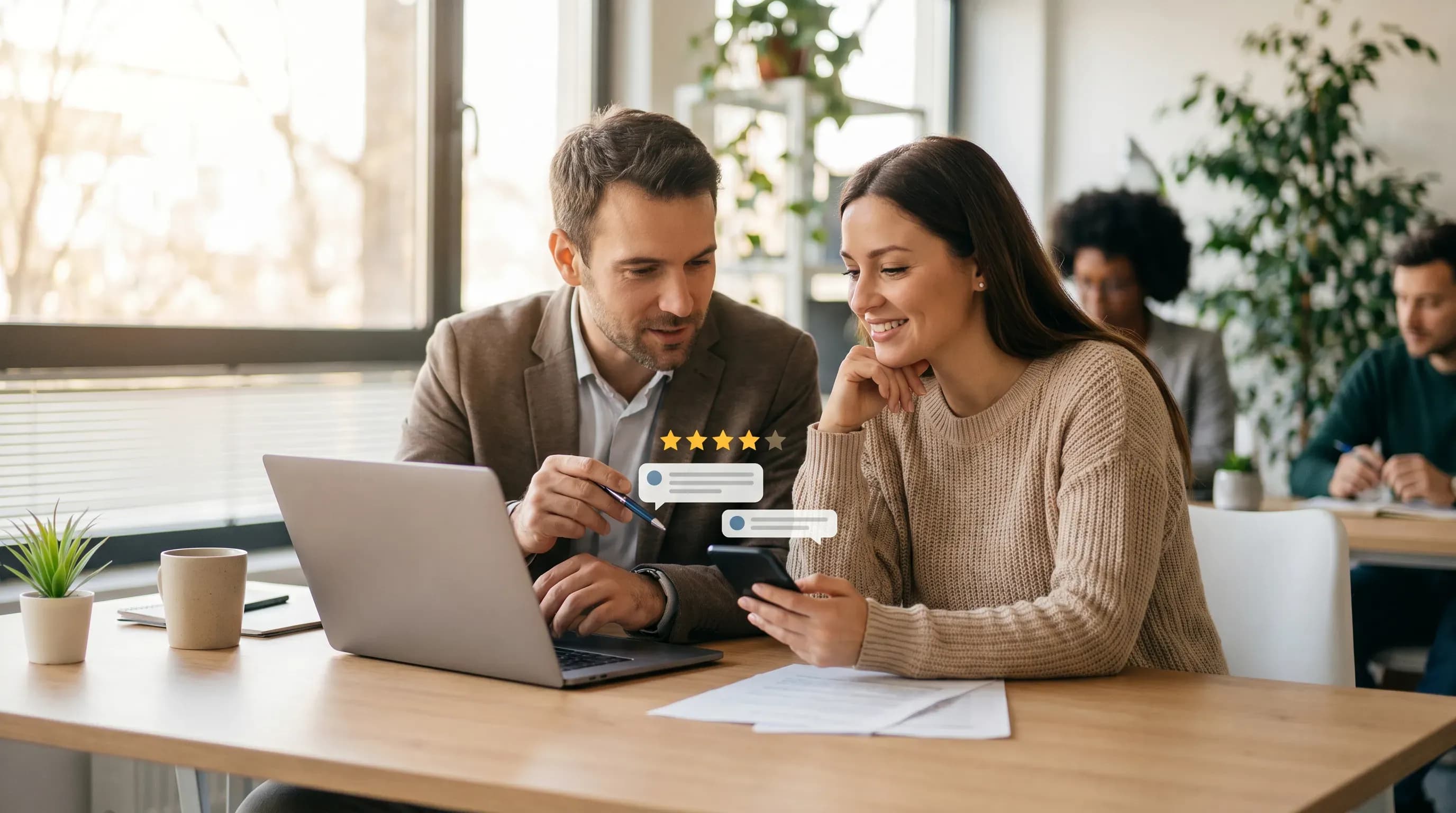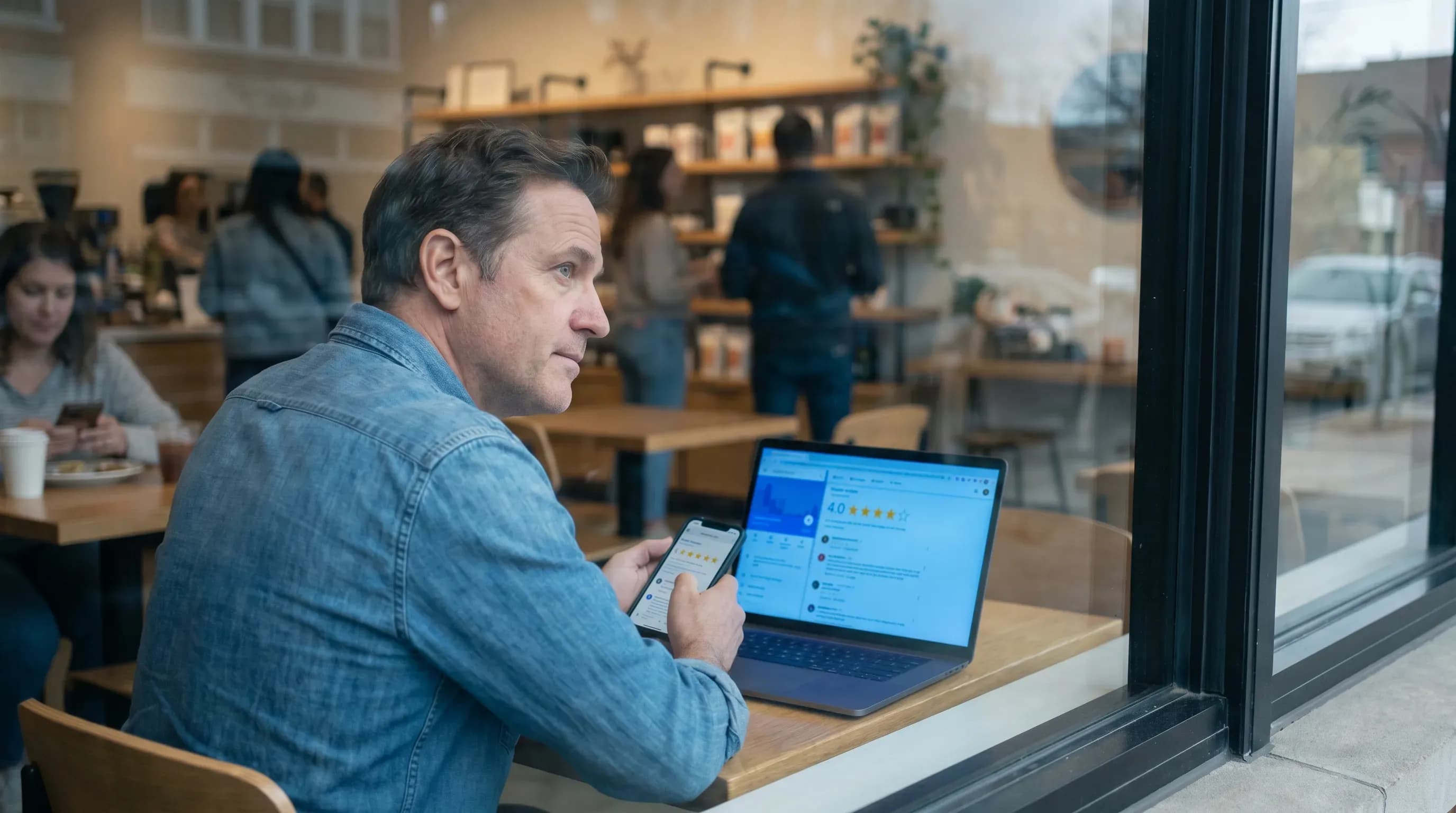
If you manage a business on Google, you have probably noticed that some reviewer profiles stand out more than others. They may show a badge, a level, or a long history of photos, edits, and reviews. That can feel a little mysterious at first. You might wonder whether Google favors these people, whether their reviews matter more, or whether you should care who leaves feedback on your listing. You should. A Google Local Guide is not some hidden VIP class, but these contributors do shape how people see your business.
The Local Guide program sits inside Google Maps. It encourages people to share reviews, photos, place edits, answers, and other details that help Maps stay useful. I think that is both smart and a little strange. Smart, because Google gets an army of unpaid contributors who keep listings fresh. Strange, because businesses have to live with the results, whether those contributions are fair, sloppy, thoughtful, or half-awake. If you want to manage your reputation well, you need to understand how this system works and how to respond to it.
In this article, you will learn what a local guide on Google is, how the local guide program works, what badges and levels mean, and why local guide reviews can feel more persuasive to customers. You will also see what businesses can do to attract stronger review contributors without trying to game the system.
What is a Google Local Guide
A Google Local Guide is a Google Maps contributor who joins Google's Local Guides program and earns points by adding content. That content can include written reviews, star ratings, photos, videos, place edits, answers to questions, and updates about businesses or locations. When a person earns enough points, Google may show a Local Guide badge on their profile and next to certain contributions.
So, what is a local guide on Google in plain English? It is a person who gives Google Maps more information than the average user. They are the people who review the coffee shop, upload photos of the menu, correct the closing time, answer whether a place has wheelchair access, and leave comments about service or wait times. They are part reviewer, part data contributor, part volunteer map editor.
That badge matters because it sends a trust signal. Fair or not, many customers read a Local Guide review and assume the person has more experience using Google Maps and posting feedback. I get why. A profile with dozens of detailed reviews feels more credible than a blank account that appeared out of nowhere and dropped one angry sentence. That does not mean Local Guides are always right. It means people tend to read them with more attention.
For business owners, the practical takeaway is simple. A local guide review may influence how future customers judge your business before they ever click your website or call your front desk. If you are still building your Google presence, this is a good time to tighten up your listing with a Google Business Profile setup and optimization guide so contributors and customers see accurate information from the start.
How the local guide program works
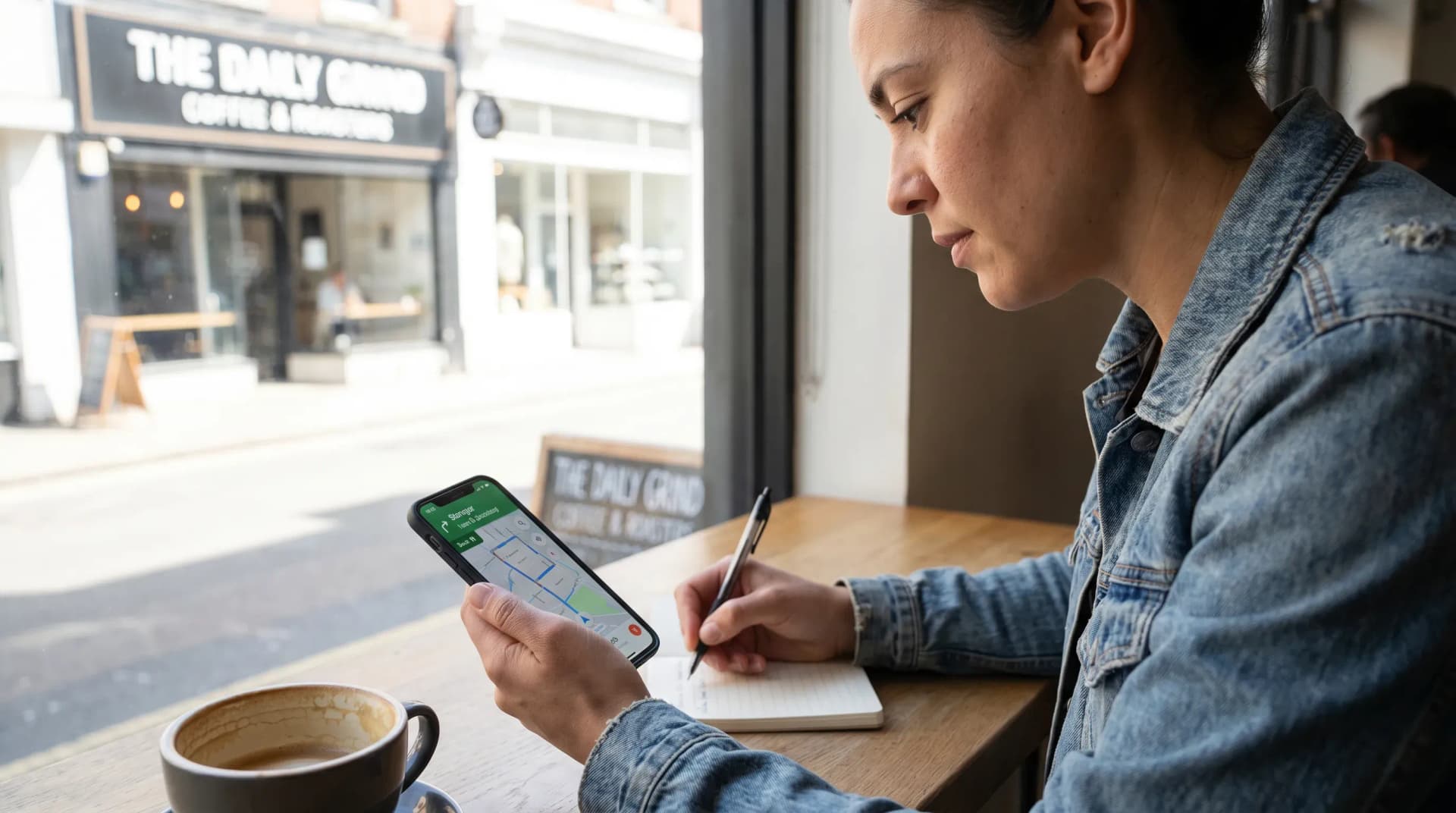
The local guide program is built around contributions and points. A user joins through their Google account, then earns points for activity inside Google Maps. Reviews usually earn points. Photos can earn points. Edits to business details can earn points once Google accepts them. Answering questions about places can count too. As points build up, the contributor moves through higher levels in the program.
Google uses this system to motivate people to keep feeding Maps with fresh details. I have mixed feelings about that. On one hand, it helps fix stale listings and adds useful context for searchers. On the other hand, it can push people to post for the sake of posting. That is where quality starts to matter more than volume. A thoughtful review with context helps. A rushed one-line comment written to collect points does not help anyone much.
Local Guides can contribute in several ways. They can write a detailed review after visiting a business. They can upload interior and exterior photos, which often influence whether a customer trusts the listing. They can suggest edits if hours, categories, phone numbers, or addresses are wrong. They can answer quick questions from Maps users, such as whether parking is available or whether a location feels kid friendly. These small actions build a contributor profile over time.
Businesses do not control who joins the program or who becomes active in it. You cannot sign customers up as Local Guides, and you should not try to pressure people into posting certain kinds of reviews. What you can do is make the review process easier for honest customers who already want to share feedback. A clean, direct path matters. Tools like a Google review link generator can help you create a simple review link that reduces friction after a visit.
What Local Guide levels and badges mean
Levels and badges are Google's way of showing that a contributor has put time into Maps. The more accepted and published activity a person has, the more points they earn. As those points increase, they move up through levels. Google may display a Local Guide badge on their profile or alongside reviews, which makes the contribution more visible at a glance.
Customers notice badges fast. People are wired to look for shortcuts when making decisions, and a badge works as one of those shortcuts. It says, "This person has done this before." That impression can shape trust before the review text even gets read. I do not love that humans work this way, but we do. A profile with a visible history feels safer than a profile with no context.
That said, a badge is not a stamp of truth. It does not mean the person had a fair visit, paid attention, or understood your business model. A high-level Google Maps contributor can still leave a lazy review. They can still misunderstand a policy. They can still show up on your busiest day, wait too long, and decide your whole operation is broken. The badge raises perceived credibility. It does not guarantee accuracy.
For your team, the smart move is to read Local Guide reviews carefully and respond with calm detail. If the review is positive, thank them in a personal way and mention something from their feedback. If the review is unfair or incomplete, answer with facts and a steady tone. If you need help shaping your replies, this guide on how to respond to Google reviews can help you handle praise and criticism without sounding robotic.
Program element | What it tells customers | What it means for your business |
|---|---|---|
Local Guide badge | This reviewer has contributed to Google Maps before | Their review may attract more attention on your listing |
Higher level | This person has earned more points through repeated activity | Customers may read their comments with more trust |
Photos and edits | This profile adds detail beyond star ratings | Your listing can look richer or more current if contributions are accurate |
Why local guide reviews tend to carry more weight
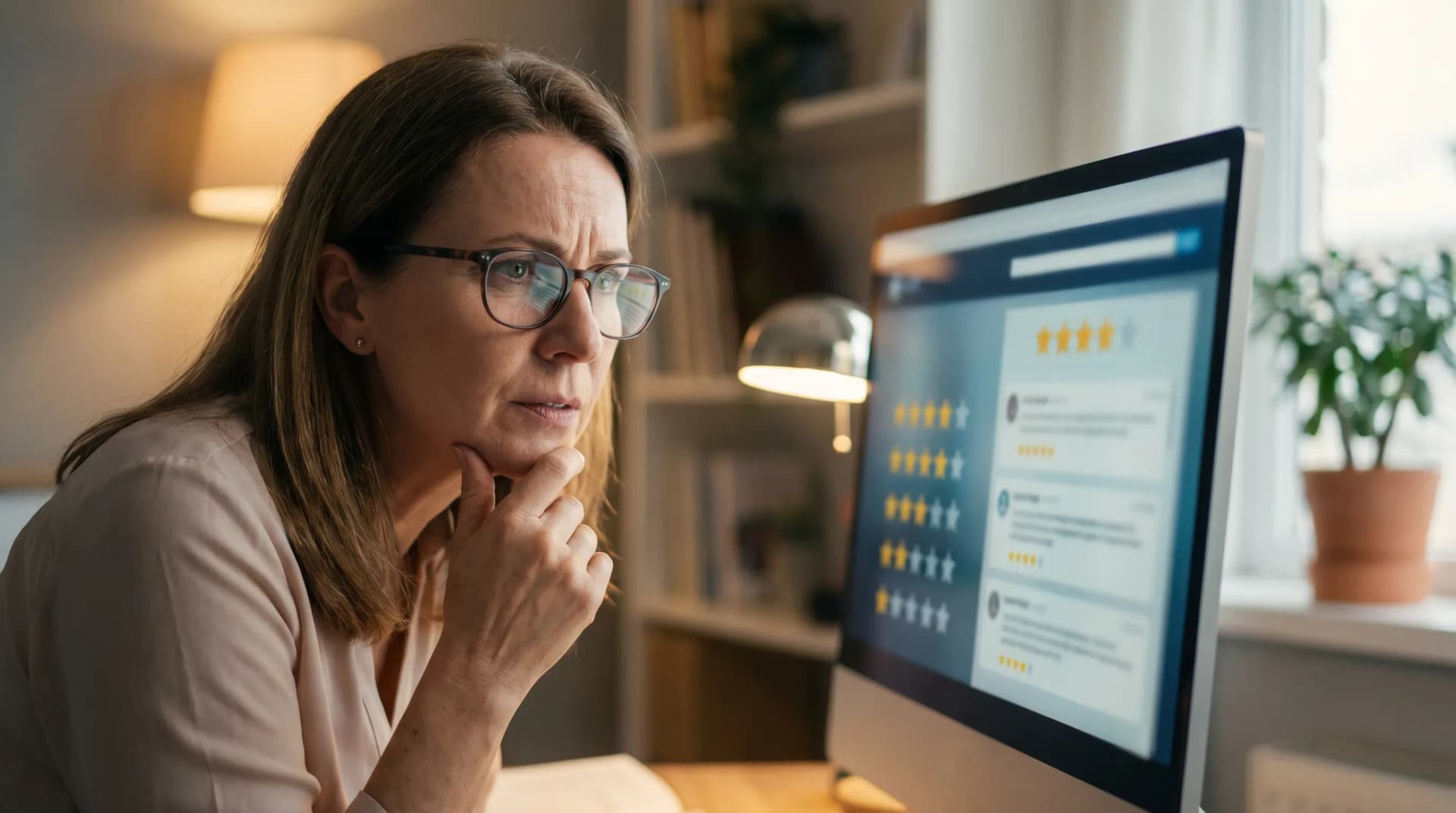
Local Guide reviews tend to carry more weight because they look more established. That is the short version. When customers compare businesses, they scan for clues they can trust. A reviewer with a badge, a visible history, and lots of posted content feels more believable than an empty account. Even if two reviews say the same thing, the one from a known contributor may land harder.
This matters in local search because buying decisions happen fast. A person checks your rating, reads two or three reviews, looks at recent photos, and makes a call. In that tiny window, reviewer credibility changes the mood. A positive review from a Google Maps contributor can reassure people that your service matches your listing. A negative review from that same kind of profile can sting more because it feels documented, not random.
There is another layer here. Local Guide reviews often have more detail. The writer may mention staff names, parking, wait times, product quality, or what the inside of the business looked like. That detail makes the review more useful, and useful reviews are persuasive. Customers do not trust vague praise as much as they trust a specific story. They also do not shrug off detailed criticism as easily.
Does Google directly rank businesses higher because Local Guides reviewed them? Google does not present the program that way. Still, review quality, review freshness, and listing activity shape how people interact with your profile, and that can affect local performance over time. If you want a broader look at that connection, read this article on whether Google reviews help SEO and local ranking. I keep coming back to this point. Even when a review does not move rankings by itself, it can move customers, and that changes revenue fast.
How businesses can attract stronger review contributors
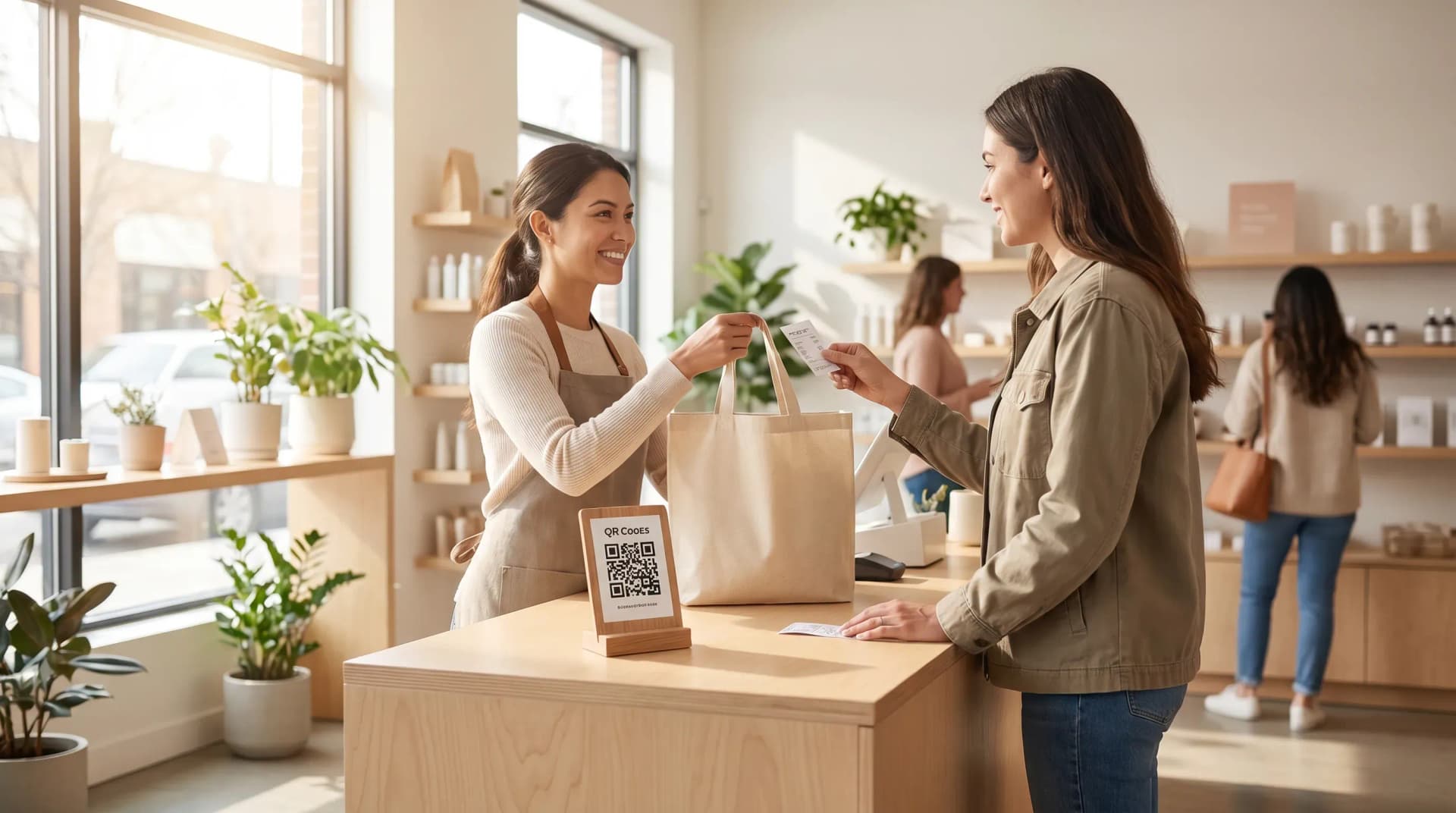
You cannot target Local Guides directly, and you should not try to manipulate who leaves feedback. What you can do is create a customer experience that makes thoughtful people want to talk about it. That starts on the ground. If your staff is polite, your process is smooth, and your business details are accurate, you raise the odds of getting richer reviews from people who care enough to write them.
Make it easy for customers to leave feedback while the experience is still fresh. A clear review link sent by text or email works better than hoping they remember later. Printed QR codes at the counter can help too if they are placed well and framed with a short ask. The ask matters. Do not beg for five stars. Ask for honest feedback about their visit. That sounds more human because it is.
There is a quiet advantage in collecting feedback consistently rather than in bursts. Active contributors, including Local Guides, are more likely to review businesses that ask at the right moment and remove friction. If you want a repeatable system instead of a random scramble, take a look at how RatingFlow works. It helps businesses collect Google reviews through a structured process while filtering private dissatisfaction before it turns into public damage. I think that balance matters. You want more public praise, but you also want a place for unhappy customers to vent before they post.
One more point. When a Local Guide leaves a review, respond. Do not ignore it because the review seems positive enough on its own. A thoughtful response shows future readers that you pay attention. That can turn one strong review into a stronger trust signal for the next customer who lands on your listing.
What to do when a Local Guide review is unfair
An unfair Local Guide review can feel heavier than a normal complaint because the profile looks more credible. That is frustrating. You may feel the urge to fire back, especially if the review misstates facts or trashes your team. Resist that urge. Public defensiveness rarely helps. Calm, specific responses help more.
Start by checking whether the review breaks Google's policies. If it includes harassment, off-topic claims, or content that should not be there, report it through the proper channel. If it stays live, respond in a way that protects your side of the story without sounding combative. Thank the reviewer for the feedback, address the issue they raised, and invite them to continue the conversation offline if needed. Future customers are your main audience here, not the reviewer.
If the review appears fraudulent or malicious, document what you can. Save screenshots. Confirm whether the person was ever a customer. Compare names, dates, and details. Then follow a formal removal process. If you need a step-by-step resource, this guide on how to report a fake Google review for removal can help you sort through the process without guessing.
There is no magic script that makes an unfair review disappear. I wish there were. What you can do is stay steady, keep collecting honest feedback from real customers, and avoid letting one loud profile define your listing. Over time, a strong review base tends to dilute outlier comments, even when those comments come from a badge-bearing contributor.
Why the program matters for your reputation strategy
The Google Local Guide program matters because it shapes perception at the exact moment people decide whether to trust you. That is what makes it worth your attention. Local Guides are not a separate review platform, but their profiles can make reviews look more credible, more detailed, and more visible in the eyes of customers. If you run a local business, that affects you whether you asked for it or not.
Your job is not to chase badges or obsess over who joins the program. Your job is to build a review process that attracts honest feedback, strengthens your listing, and gives unhappy customers a private outlet before they go public. That means keeping your Google Business Profile accurate, asking for reviews at the right time, responding with care, and treating reputation management like part of operations, not an afterthought.
I keep coming back to one simple idea. A Local Guide review matters because trust matters. People want clues. They want signals that help them choose. If your business gives them consistent service and a smooth path to leave feedback, those signals start working in your favor instead of against you.