
A suspicious Google review can feel personal. One minute your profile looks healthy, and the next you are staring at a one-star post from someone you do not recognize, describing an experience that never happened. That reaction is normal. It is hard not to take it as an attack, because in many cases it is one.
If you are trying to report Google review abuse, you need more than frustration. You need a process. Google does remove reviews, but not because a business owner feels the review is unfair. Removal usually happens when the review breaks a content policy and you can show why. That distinction matters. A harsh review is not the same thing as an inappropriate Google review. Google cares about policy violations, not bruised feelings.
This guide walks you through how to report Google reviews that look fraudulent, competitor-planted, abusive, or otherwise out of bounds. I will also say the quiet part out loud. Google does not make this feel easy. The reporting flow is simple on the surface, but getting a review removed can take patience, documentation, and a calm paper trail. If you go in swinging, you tend to lose.
Before you start, it helps to know what your full review history looks like. If you need a clearer view of your review activity, this guide on how to find and see all your Google reviews can help you spot patterns and pull context before you file a report.
What counts as a removable Google review

Google will not remove a review because it feels unfair, exaggerated, or annoying. I know that is frustrating. Business owners want common sense to win here. But Google works from policy categories, and if your report does not fit one, it may go nowhere.
A review has a stronger chance of removal when it includes spam, harassment, hate speech, profanity aimed at a person, off-topic political rants, impersonation, conflicts of interest, or claims tied to a person who was never a customer. Reviews from competitors can fall into this bucket. So can review bombing from accounts that leave a cluster of one-star posts across unrelated businesses.
Another category that gets attention is deceptive engagement. That includes paid reviews, copied reviews, or accounts that show strange behavior patterns. If the person leaves vague one-line attacks across many listings in different cities, that can support your case. A fake review checker tool can help you organize those signals, but no tool replaces manual evidence. You still need to connect the dots.
On the other hand, a review may stay up even if it stings. If a customer had a poor experience and writes about it in blunt language, Google may leave it alone. That is true even when you disagree with their version of events. If the review is harsh but not a policy violation, your better move is a public response. If you need help with tone, this article on how to respond to Google reviews gives you a steady framework.
How to report Google reviews step by step
The reporting process itself is short. The work around it is what matters. Start inside your Google Business Profile. Find the review in question, open the options menu, and select the choice to report or flag the review. Google will ask you to choose a reason. Pick the closest policy violation, not the one that sounds most emotional. If the review is from a non-customer, spam or conflict of interest may fit better than harassment.
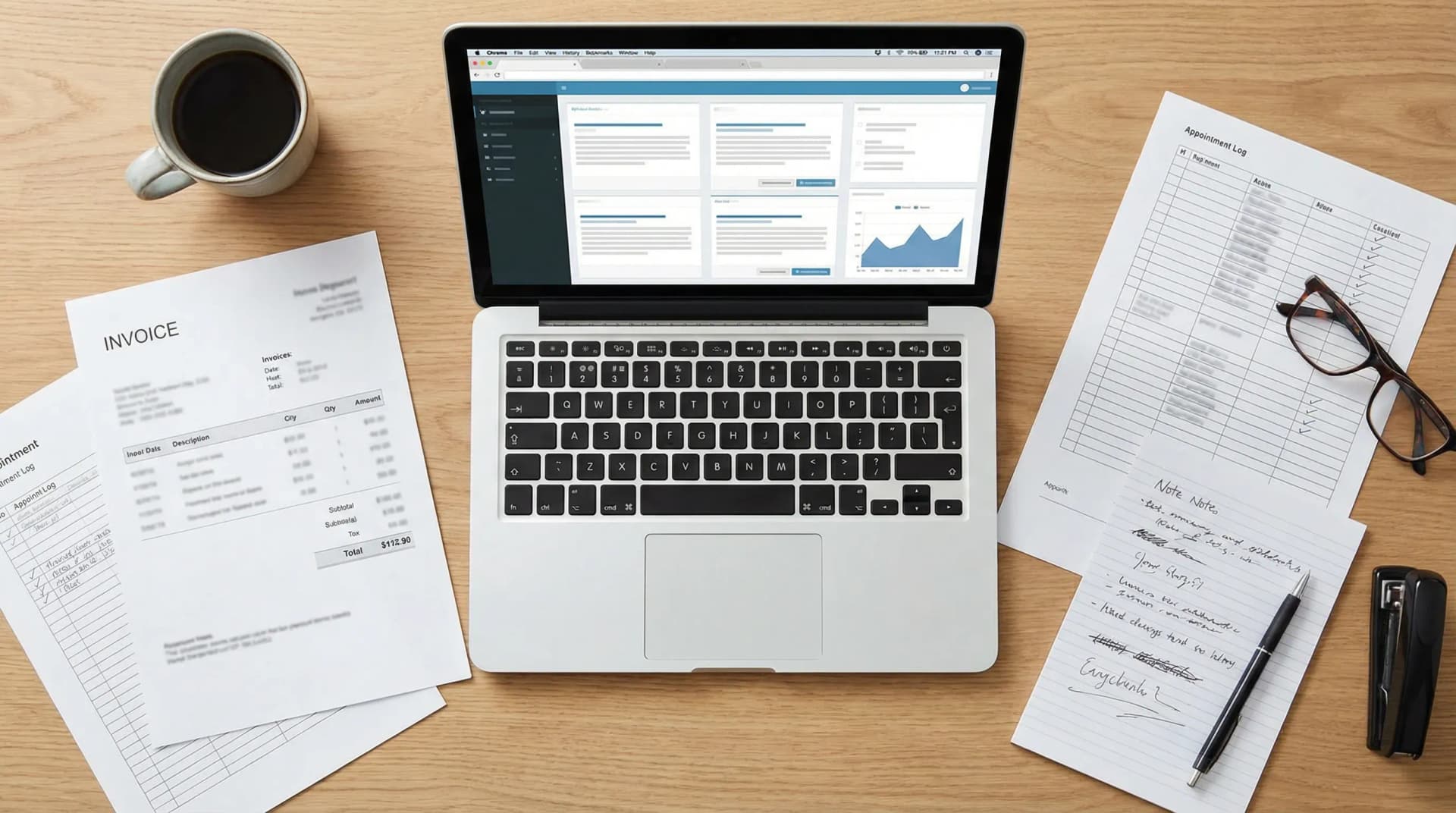
Once you submit the flag, document what you did. Take screenshots of the review, the reviewer profile, the date, and the reporting confirmation. Save the direct link to your business profile. If the review mentions an employee, save schedules or customer logs that show no interaction took place. If the reviewer claims they bought a service, check invoices, booking records, call logs, or CRM notes. You are building a removal case, not venting.
You can also report reviews through search results when you manage your profile while logged into the business account. Google sometimes routes users through a Reviews Management tool where you can see flagged reviews and appeal certain decisions. If that path appears for your account, use it. It gives you a cleaner workflow than hopping between tabs and hoping nothing disappears.
Keep your report tight. Do not write a long emotional complaint. Say what rule the review breaks and what evidence supports that claim. Something like this works better than a rant: "The reviewer is not in our customer records for the date range claimed. The account has posted similar one-star reviews on unrelated businesses in multiple markets. We believe this violates Google's policy on deceptive content and conflicts of interest." Short. Direct. Hard to misread.
If you manage review generation and feedback in a more organized way, platforms like RatingFlow's review funnel workflow can help you separate legitimate customer feedback from suspicious public review activity before problems pile up.
How to build a stronger removal case
This is where business owners either improve their odds or waste a week. Google does not see your business from the inside. You do. That means you need to translate your internal knowledge into evidence a reviewer support team can understand fast.
Start with identity mismatch. If the reviewer name does not appear in your booking system, point that out. If the review mentions a product you do not sell, mention that too. If they refer to a staff member who does not work there, include it. These details matter because they show the review may describe a business that exists only in the reviewer's imagination.
Next, look at timing. Did the review appear right after a public dispute, a terminated employee issue, or a competitor push? I would not lead with conspiracy, but context can matter when you pair it with evidence. If ten one-star reviews appeared in a narrow window from accounts with no local history, that pattern says more than your opinion ever will.
Reviewer behavior matters too. Click through the profile if it is visible. Do they leave dozens of reviews across distant cities? Are the comments repetitive? Do they target similar businesses? That does not prove abuse on its own, and I hate how slippery this part can feel, but it helps paint a fuller picture. Save screenshots before the profile changes.
Use a simple evidence table to keep yourself organized.
Evidence type | What to collect | Why it helps |
|---|---|---|
Customer records | Invoices, bookings, call logs, CRM entries | Shows the reviewer may not be a customer |
Review screenshots | Full review, date, profile name, rating | Preserves the review before edits or deletion |
Profile pattern | Other reviews by the same account | Supports claims of spam or coordinated abuse |
Business facts | Services offered, staff roster, hours | Shows factual errors in the review |
If you need to protect your profile over time, not after the damage is done, a structured system for collecting steady customer feedback helps dilute suspicious attacks and gives you better visibility into sentiment trends. You can see how that works on the RatingFlow features page.
What to do if Google does not remove the review
This part is annoying, and there is no elegant way to say it. Google may reject your report even when the review smells off from a mile away. That does not mean you are out of moves. It means you need to switch tactics.
Start by checking whether you chose the strongest violation category. If you filed it as harassment but the account is more clearly a competitor or spam account, submit again through the proper route if an appeal option is available. Keep your notes consistent. If your story changes every time, you weaken your own case.
You can also gather tighter evidence and escalate through Google Business Profile support channels if available in your account. Support responses can feel uneven. One reply may sound canned, the next may show a human read your submission. I wish I could promise clean logic here. I cannot. Persistence matters more than outrage.
While you wait, post a calm public reply. Do not accuse the reviewer of lying unless you are prepared for that to stay visible. Say that you cannot verify the interaction and invite the person to contact you directly so you can investigate. That response does two jobs. It signals professionalism to future customers, and it shows Google that you handled the situation in a measured way.
You should also strengthen the parts of your review profile you can control. Ask happy customers for honest feedback on a steady basis. If you need a cleaner process, this guide on how to get more Google reviews can help you build momentum without sketchy tactics. A healthy stream of legitimate reviews makes a suspicious outlier look smaller.
How to prevent review abuse from hurting your business

You cannot stop every fake review. I wish that were different. What you can do is make your reputation harder to damage. That starts with speed. Monitor your Google reviews closely so you catch suspicious posts before they sit unanswered for weeks. A stale one-star review with no response creates doubt, even when it is nonsense.
Build a habit of collecting customer feedback off-platform too. Private feedback channels help you spot service issues before they turn into public complaints, and they help you separate valid criticism from planted attacks. This is one reason reputation systems matter. They create a record. When someone claims a disaster happened and your internal feedback shows the opposite, you are not guessing anymore.
Train your team on review response rules. One defensive reply from an upset employee can turn a weak attack into a public mess. Keep responses short, respectful, and grounded in facts. If a review is legitimate, own the issue and offer a path to fix it. If it is fraudulent, respond without feeding the drama. That balance is hard. It still matters.
There is also a strategic angle here. Google review volume, recency, and response activity shape how people judge your business at a glance. If your profile has a thin review base, one suspicious review can punch above its weight. If your profile has steady, credible feedback, the damage shrinks. That is one reason reputation management is tied so closely to local visibility and trust.
If you want a system that helps you collect more honest reviews while routing unhappy customers into private feedback before they vent in public, take a look at RatingFlow. It is built for businesses that want more control over their review process without resorting to shady shortcuts.
Questions business owners ask about review removal
Can you remove Google reviews yourself
No. You cannot directly delete a review left on your business profile unless you are the person who posted it. You can report Google review violations and ask Google to remove them. That distinction trips people up. Business owners manage the profile, but Google controls the review content.
How long does Google take to review a flagged post
Timing varies. Some reports move fast. Others drag. If Google gives you an appeal path, use it with sharper evidence instead of resubmitting the same complaint word for word. Keep screenshots and records from the start so you are not scrambling later.
Should you use a fake review checker
A fake review checker can help you spot suspicious patterns like repeated wording, odd reviewer behavior, or review clusters. That said, these tools are support tools, not final judges. Google still wants policy-based reasoning and evidence tied to your business.
What if the review is negative but not removable
Respond to it. A thoughtful reply can soften the impact more than people expect. Prospective customers read your response as a signal of how you handle pressure. If you stay calm while the reviewer sounds unreasonable, readers notice.
Can competitors leave reviews on your profile
They can, even though they should not. Competitor reviews, ex-employee attacks, and coordinated one-star campaigns happen more than Google would like to admit. That is why documentation matters so much. If you can show a conflict of interest, your report has a stronger foundation.
A suspicious review can throw you off for a day. Maybe longer. But you do not need to guess your way through it. Flag the review, match it to a policy violation, document the evidence, and keep your public response steady. That approach gives you the strongest shot at removal and protects your credibility while Google makes up its mind.